Home/ Collections/ PUNK The Definitive Photography Archive
Photography · Collection

PUNK The Definitive Photography Archive

Museum-quality photographs documenting the birth of punk, made by the photographers who were inside it. From CBGB and Max's Kansas City in New York to the Roxy and the London underground, the archive brings together vintage prints, contact sheets, Polaroids and rare exhibition works.

The photographers represented here were not covering a scene from outside. Roberta Bayley worked the door at CBGB and shot for Punk magazine. Godlis photographed the Bowery at night for years. Bob Gruen, Ebet Roberts, Allan Tannenbaum, Bobby Grossman, Marcia Resnick, Chris Stein and Michael Grecco each worked from within the same circle in New York, while Ian Dickson and Sheila Rock documented the parallel movement in Britain.

What survives in these photographs is the texture of the moment: small rooms, cheap light, and musicians who had not yet become famous. Each work is produced from the original negative or colour transparency, hand-signed by the photographer or the estate, and accompanied by a certificate of authenticity.

441 works
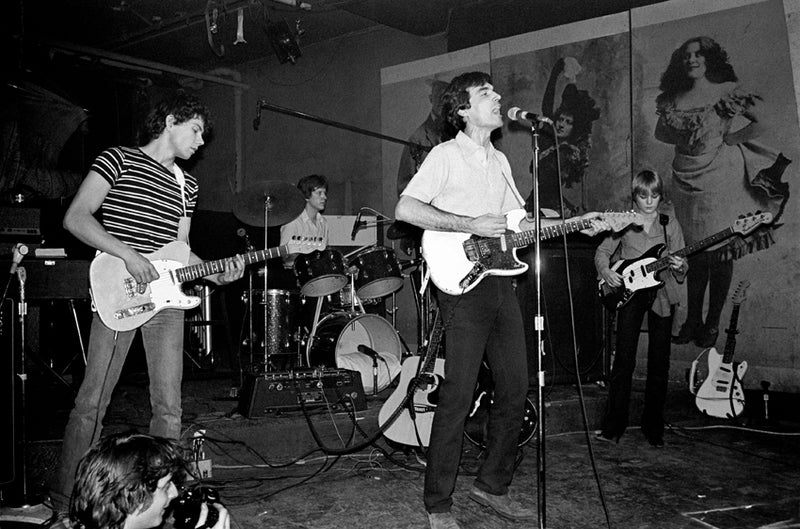
Talking Heads, CBGB, New York City, 1977. Photograph by Ebet Roberts.
Talking Heads, CBGB, New York City, 1977TMPG·4886
Ebet Roberts From $1,000
Select options →
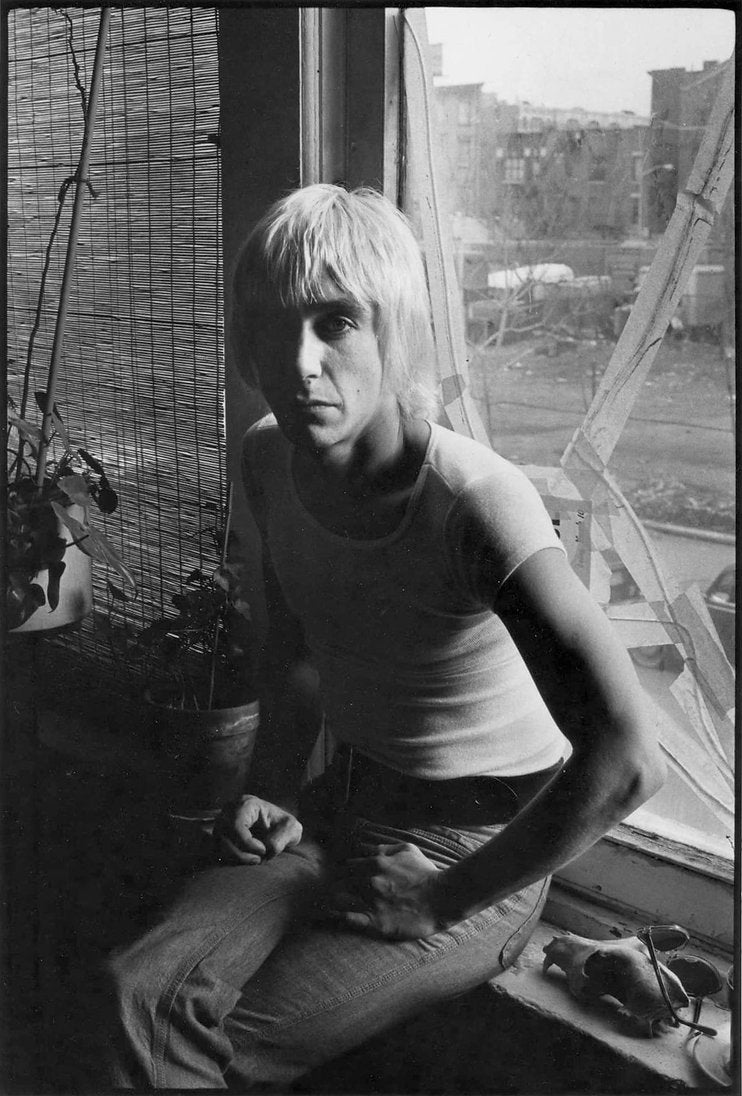
Iggy Pop, New York City, 1976, photographed by Roberta Bayley.
Iggy Pop, New York City, 1976TMPG·4630
Roberta Bayley From $1,400
Select options →
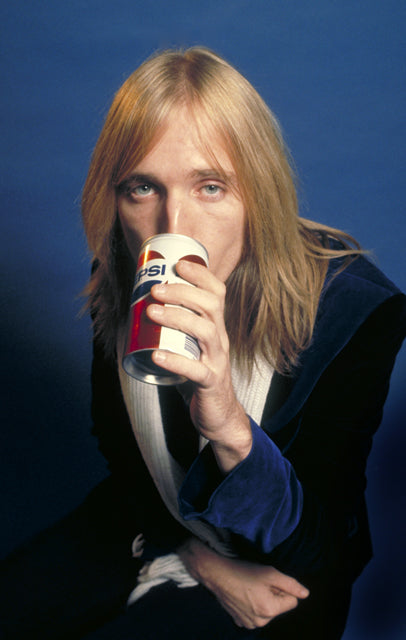
Tom Petty, colour portrait with a soda can, c. 1976, photographed by Richard Aaron.
Tom Petty, Color Portrait with Soda Can, c. 1976TMPG·5174
Richard Aaron From $850
Select options →
Debbie Harry, New York City, 1977, photographed by Godlis.
Debbie Harry, New York City, 1977TMPG·6198
Godlis From $1,200
Select options →

LONDON — 1976–1979

From underground scene to cultural rupture
By 1976, punk had taken on a new form in London. What had developed through the clubs and downtown culture of New York became more confrontational, highly visible and inseparable from the social tensions of Britain in the late 1970s.

The Sex Pistols transformed provocation into a public spectacle; The Clash connected punk to politics and a wider social consciousness; while The Damned, Siouxsie and the Banshees, Generation X and Buzzcocks revealed how quickly the movement could fracture into distinct sounds, identities and visual languages.

Photography was central to that transformation. Clothes, gestures, clubs, streets and performances became part of an instantly recognizable visual culture. These works document the brief period in which London punk moved from an underground scene into an international cultural rupture.
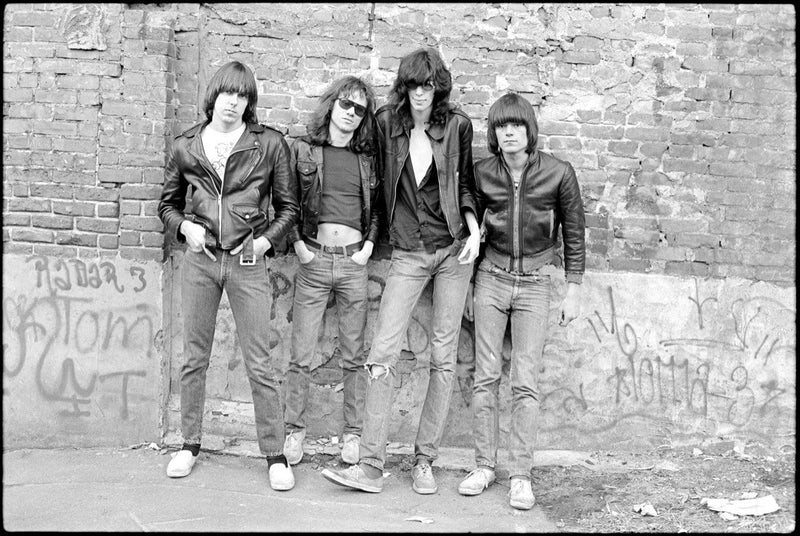
The Ramones photographed in New York City in 1976 by Roberta Bayley, in the session that produced the cover of their debut album.
Ramones, First Album Cover Session, New York City, 1976TMPG·1894
Roberta Bayley From $1,500
Select options →
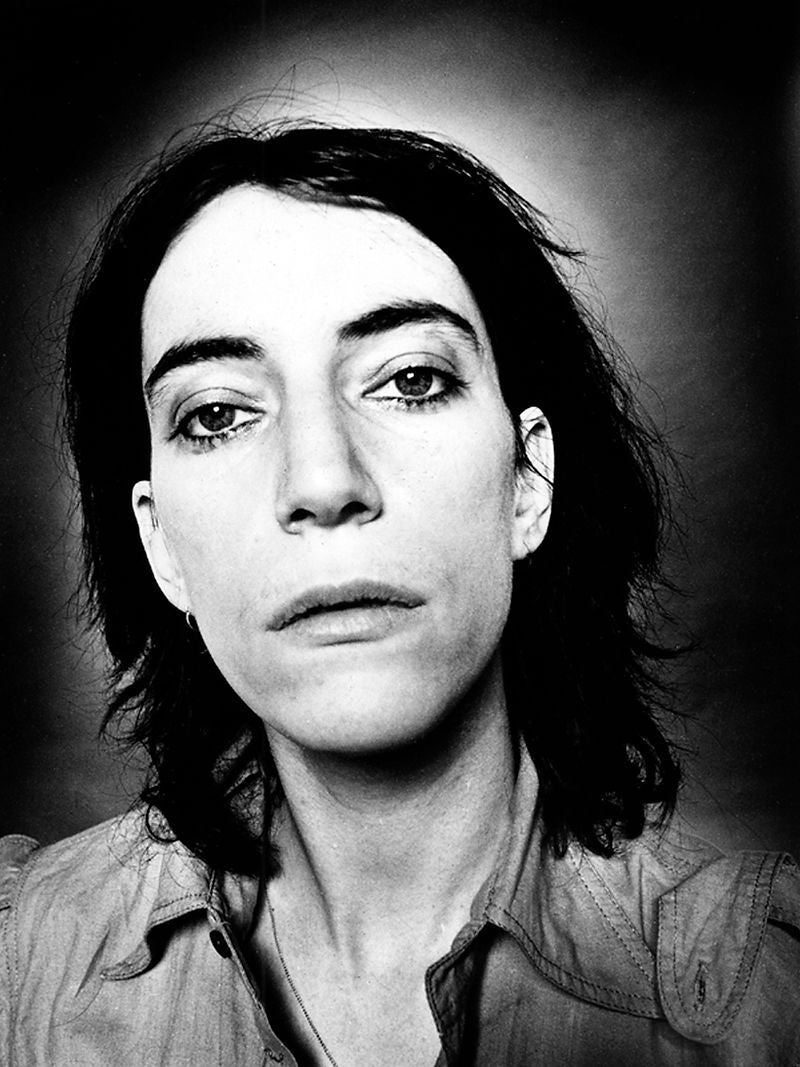
Patti Smith looking directly into the camera in a close-up portrait in 1976. Photograph by Gijsbert Hanekroot.
Patti Smith in Close-Up, 1976TMPG·9638
Gijsbert Hanekroot From $1,000
Select options →
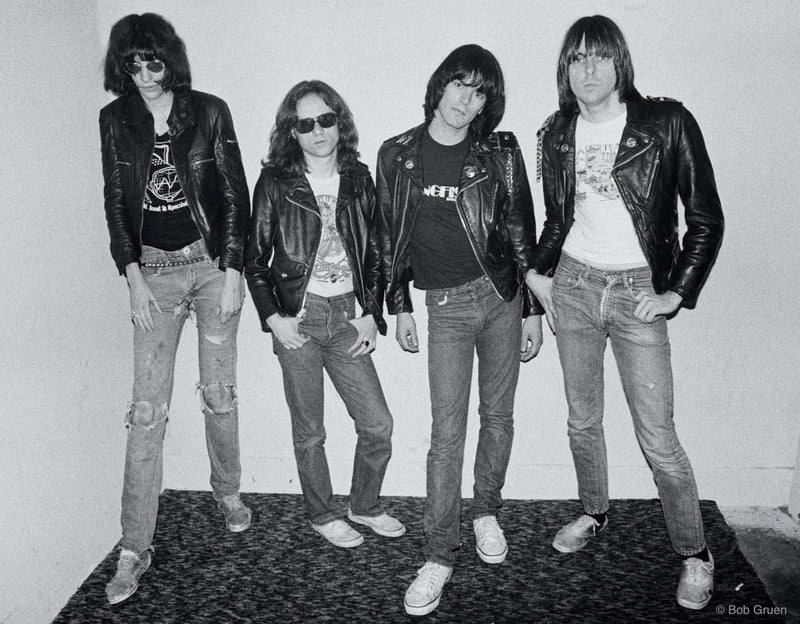
Ramones. Tower Theater, Philadelphia, PA. March 18, 1978, photographed by Bob Gruen.
Ramones, Tower Theater, Philadelphia, PA, 1978TMPG·7350
Bob Gruen From $1,200
Select options →
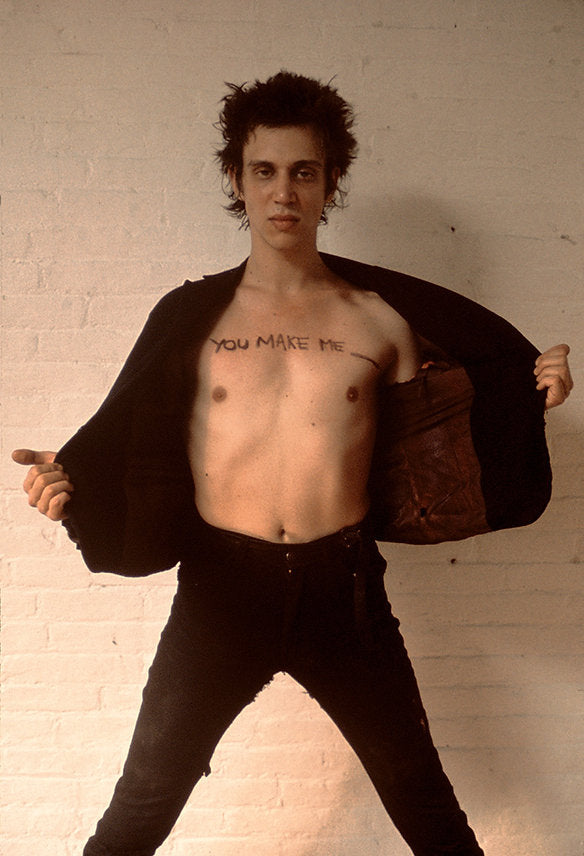
Richard Hell, Blank Generation cover portrait, New York City, 1977, photographed by Roberta Bayley.
Richard Hell, Blank Generation Cover Portrait, New York City, 1977TMPG·2358
Roberta Bayley From $1,400
Select options →
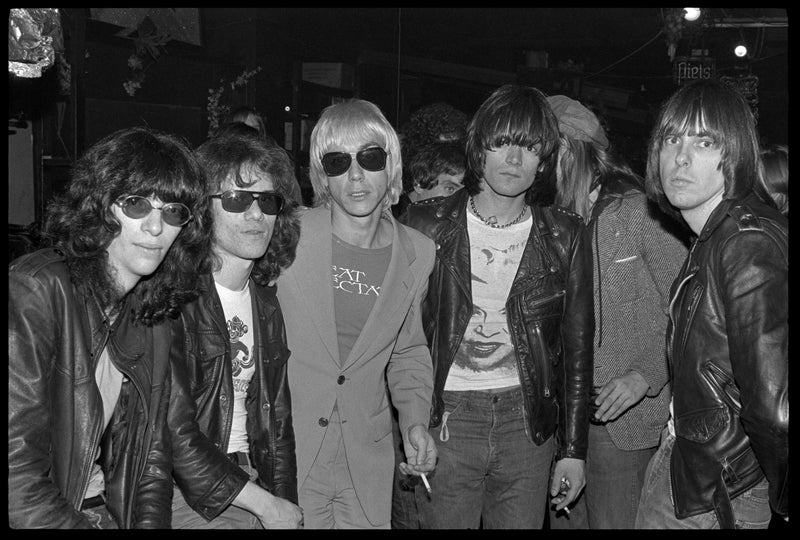
Joey Ramone, Tommy Ramone, Dee Dee Ramone, Johnny Ramone and Iggy Pop photographed in New York City, 1977 by Roberta Bayley.
Joey Ramone, Tommy Ramone, Iggy Pop, Dee Dee Ramone & Johnny Ramone, New York City, 1977TMPG·2614
Roberta Bayley From $1,200
Select options →
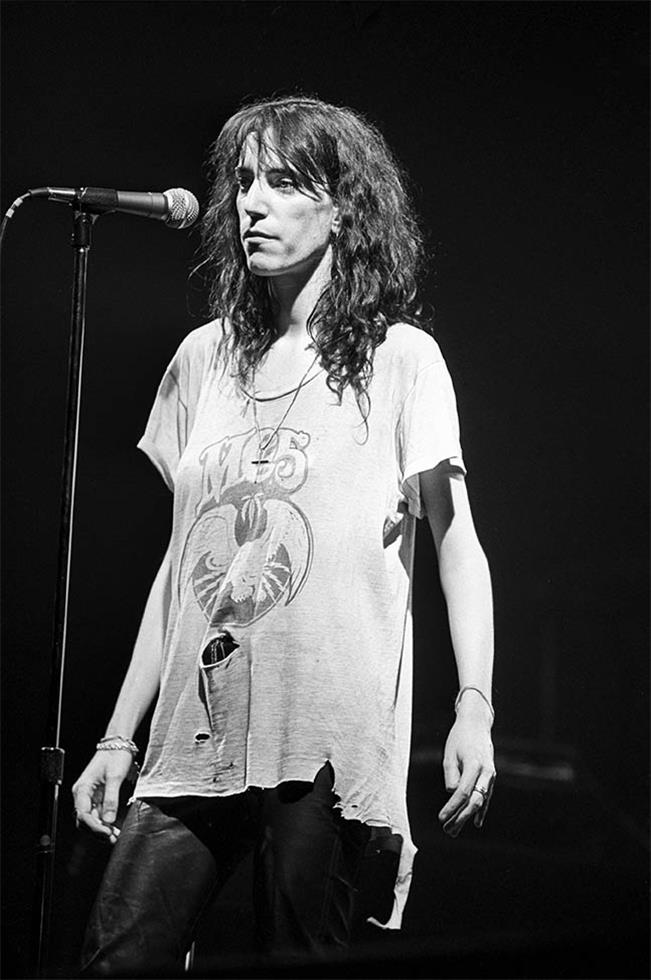
Patti Smith standing at the microphone, photographed by Charlyn Zlotnik, 1978.
Patti Smith at the Microphone, 1978TMPG·2694
Charlyn Zlotnik From $1,000
Select options →
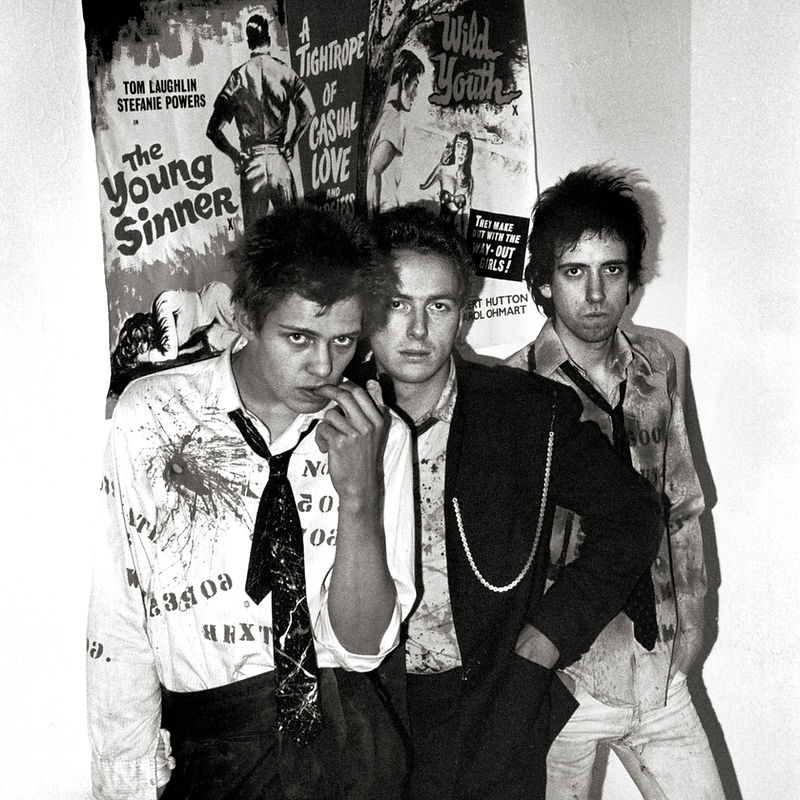
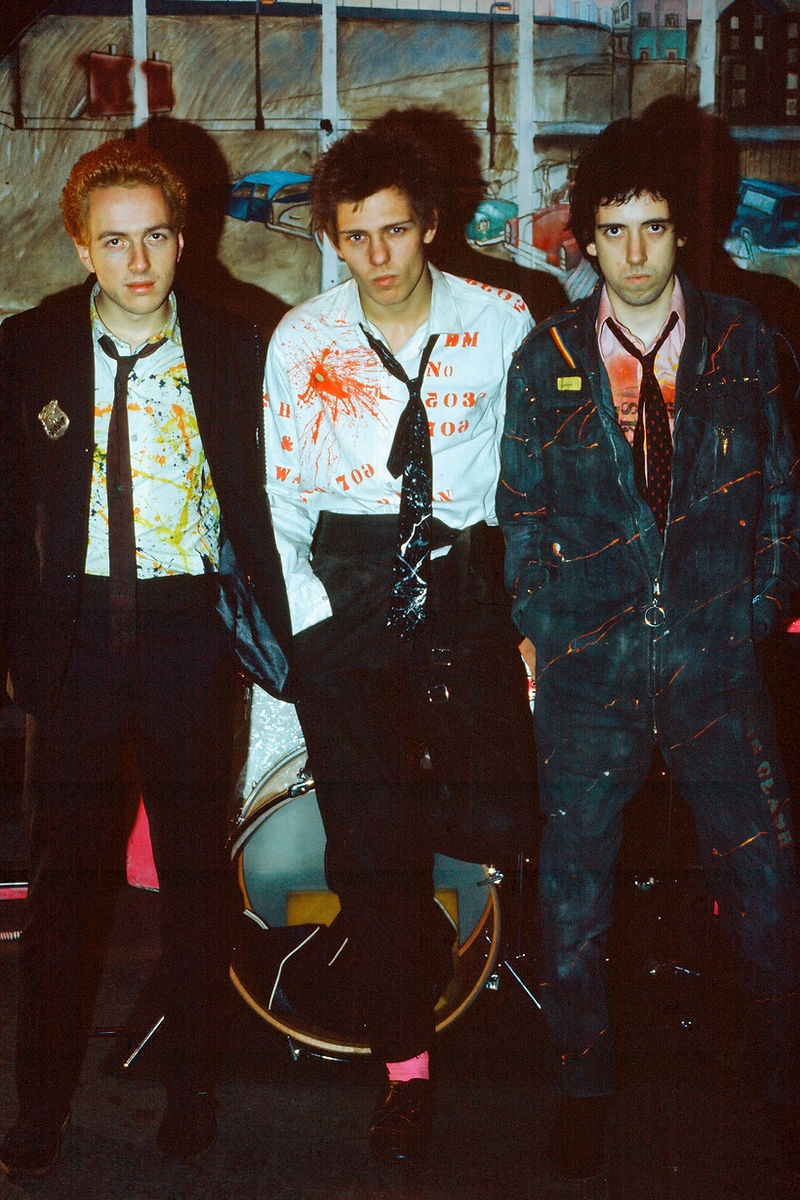
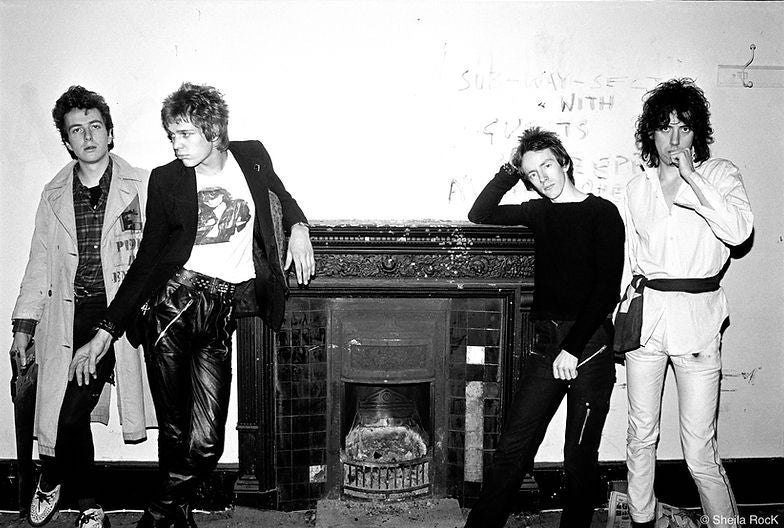
Joe Strummer, Mick Jones and Paul Simonon, London, 1977, photographed by Sheila Rock.
Joe Strummer, Mick Jones and Paul Simonon, London, 1977TMPG·3046
Sheila Rock From $1,000
Select options →
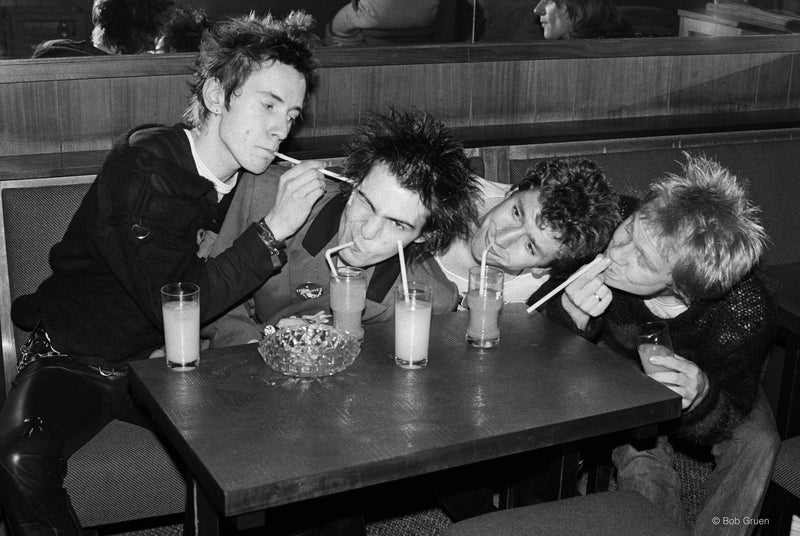
Sex Pistols, Luxembourg, November 1977, photographed by Bob Gruen.
Sex Pistols, Luxembourg, 1977TMPG·2790
Bob Gruen From $1,200
Select options →
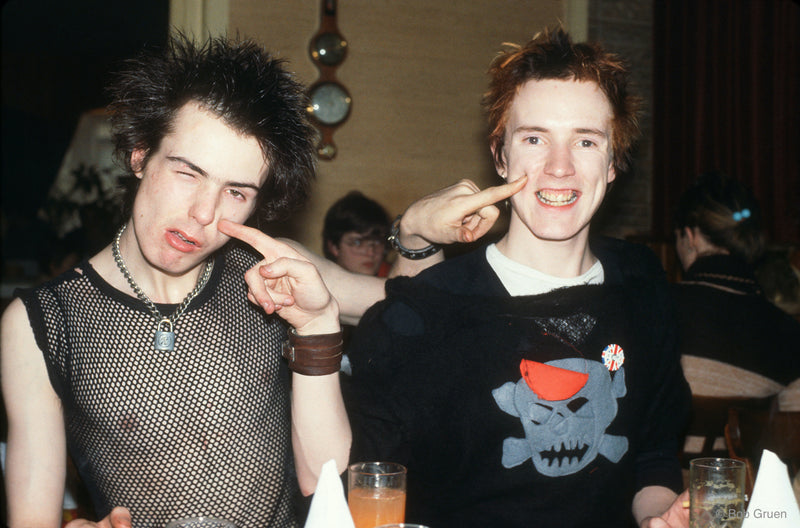
Sid Vicious and Johnny Rotten. Luxembourg. November 1977, photographed by Bob Gruen.
Sid Vicious and Johnny Rotten, Luxembourg, 1977TMPG·4950
Bob Gruen From $1,500
Select options →
The Clash in Rehearsal Studio, London, 1977, photographed by Sheila Rock.
The Clash in Rehearsal Studio, London, 1977TMPG·5014
Sheila Rock From $1,000
Select options →
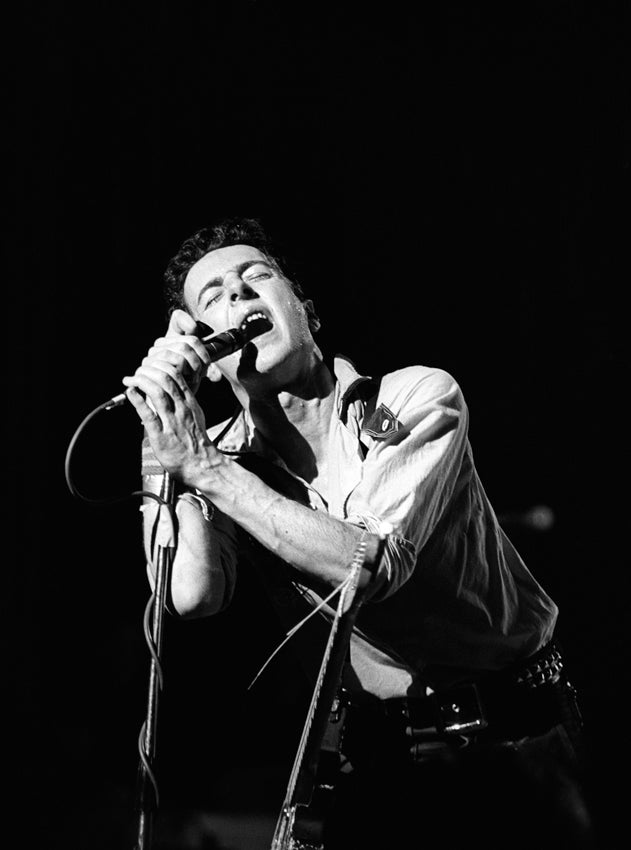
Joe Strummer, London, 1979. Photograph by Ebet Roberts.
Joe Strummer, London, 1979TMPG·6390
Ebet Roberts From $1,000
Select options →

PUNK CROSSES THE ATLANTIC

From local scenes to an international movement
By 1977, punk was no longer confined to New York or London. Bands crossed the Atlantic, photographers followed them, and the visual language of the movement began circulating internationally through concerts, magazines, record sleeves and an expanding underground network.

The Ramones’ early European appearances helped connect the New York scene with a new generation of British musicians, while the Sex Pistols’ American tour brought the confrontation of London punk into an entirely different cultural landscape. The Clash, Blondie, Iggy Pop, Johnny Thunders and others moved between these worlds, creating connections that blurred the boundaries between the two scenes.

The photographs in this chapter trace that exchange — punk in motion, leaving the clubs where it began and becoming an international visual and cultural phenomenon.
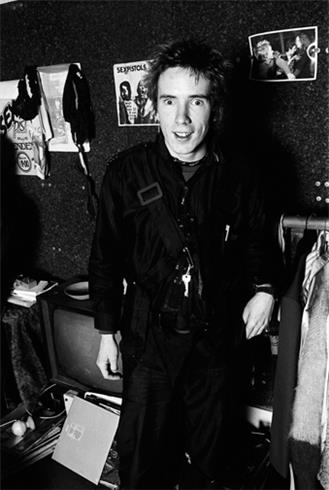
Johnny Rotten, 1976, photographed by Mick Rock.
Johnny Rotten, 1976TMPG·8214
Mick Rock From $1,500
Select options →
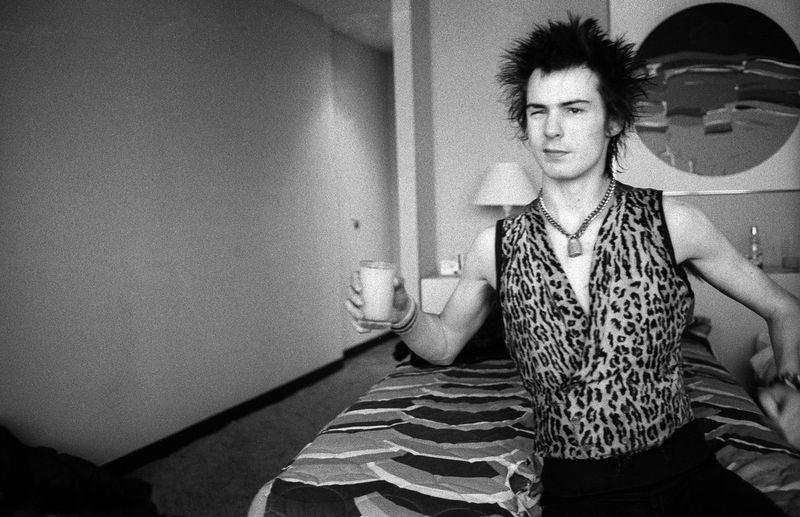
Sid Vicious of the Sex Pistols, 1977, photographed by Richard Aaron.
Sid Vicious, Sex Pistols, 1977TMPG·8118
Richard Aaron From $850
Select options →
The Clash photographed in London during the late 1970s. Photograph by Sheila Rock.
The Clash by the Fireplace, London, 1977TMPG·6070
Sheila Rock From $1,000
Select options →
144 of 441 works