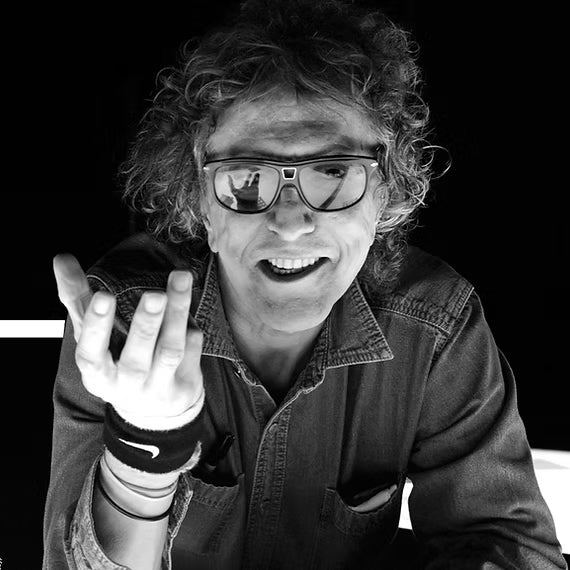
Michael David Rock started to make his mark during his school years, where he excelled easily and found himself at the doorstep of Gonville & Caius College, Cambridge. His focus of study was Medieval and Modern Languages which allowed him to discover and immerse in the Romantics, new wave French cinema, the Impressionists, and all the visual and intellectual avenues associated.
Mick’s introduction to the camera was one of those fortuitous occurrences in life, involving a friend’s camera, a beautiful girl, and the subsequent loss of those early photos due to the caprice of the lack of film. However, camera curiosity persisted and after Cambridge, Mick attended the London Film School.
During this time, he supported himself with assorted modeling and acting gigs, writing articles for Rolling Stone magazine and working with the graphic design firm Hipgnosis.
Starting with his photos of Cambridge friend Syd Barrett in 1969, Mick then entirely focused on photography.
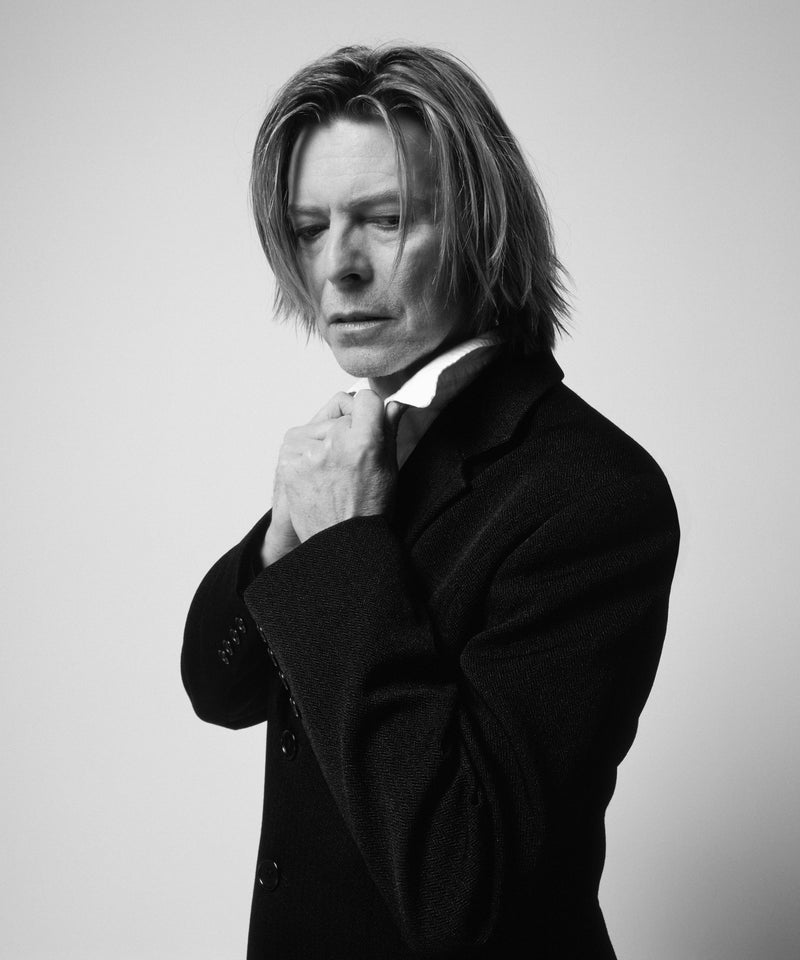
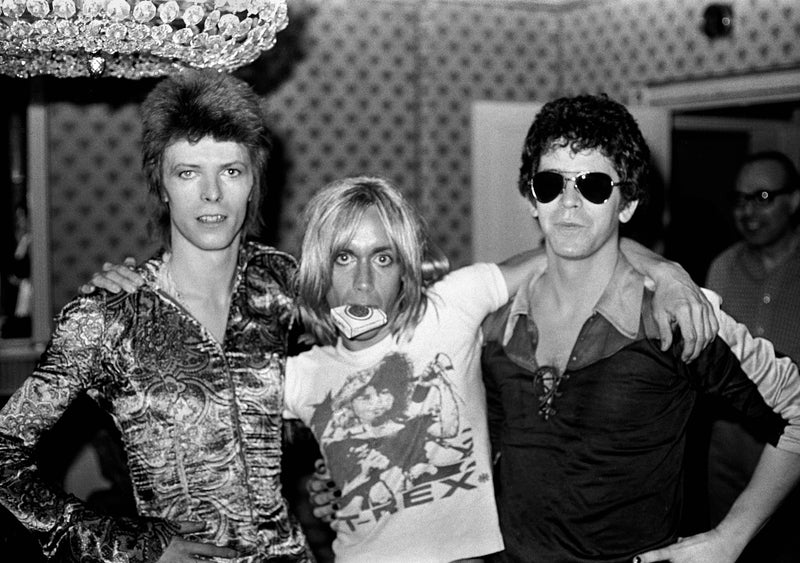
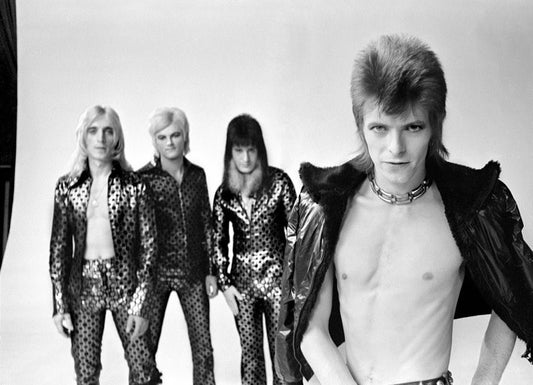
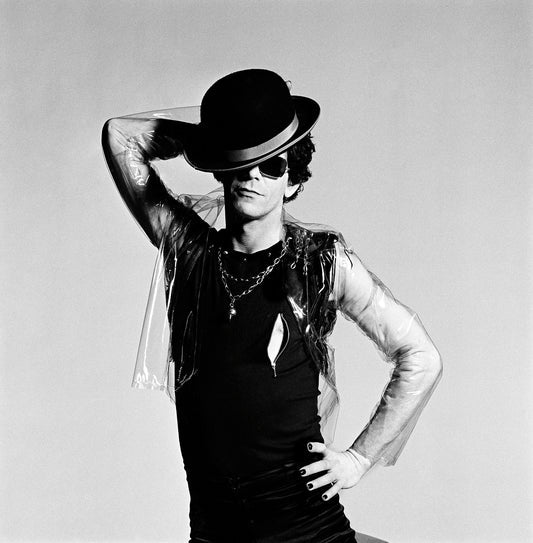
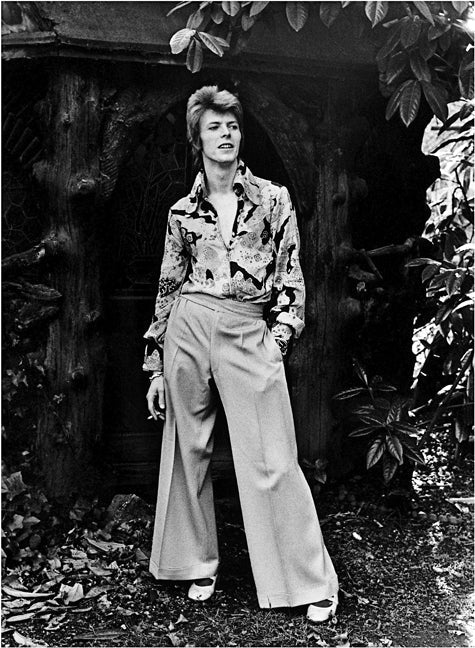
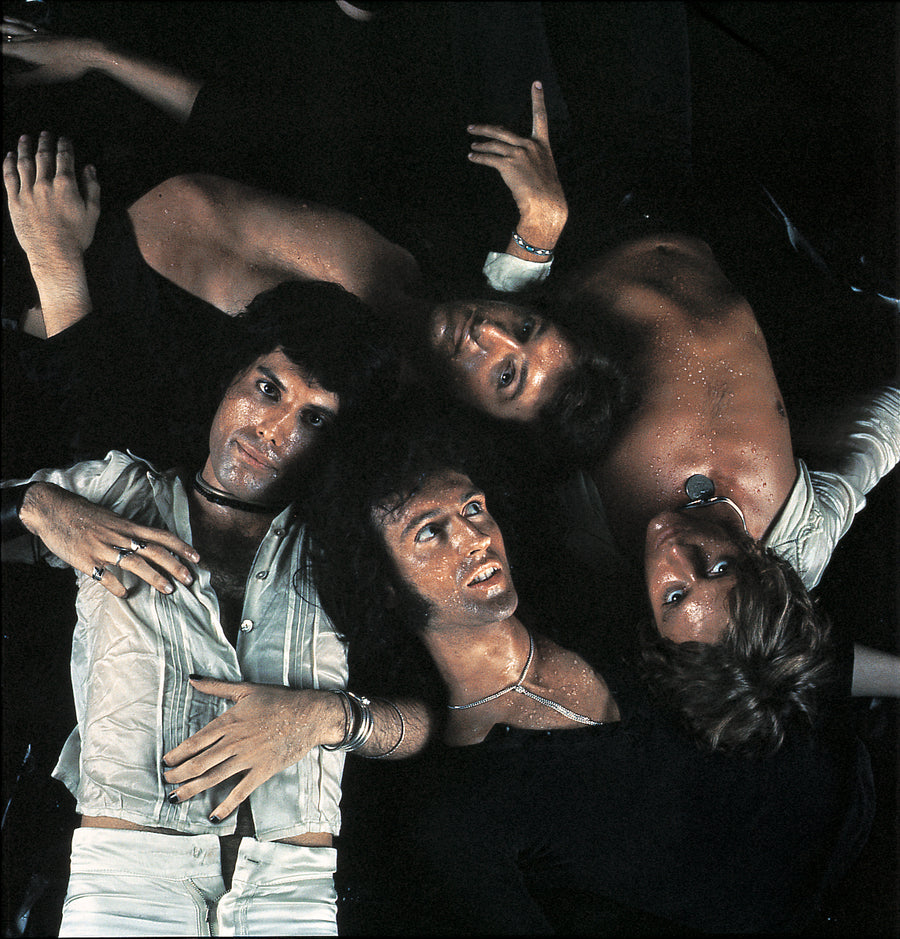
Throughout his legendary career, it was Mick’s unique access to his subjects – not only the iconic, but the intimacy and personal essence of each subject. His photographs both captured and enhanced the quiet genius of Syd Barrett, the beginnings of stardom for Freddie Mercury and Queen, the rawness of Iggy Pop, the musical transformation of Lou Reed and much of the life span of David Bpwie’s Ziggy Stardust.
During this early period (1969-1975), Mick also photographed such artists and musicians as Rory Gallagher, Thin Lizzy, Ozzy Osborne, Lindsay Kemp, Bryan Ferry, Mott the Hoople, Ray Davies, and Peter Gabriel.
Mick also produced and directed early David Bowie classic music videos “ John, I’m Only Dancing”, “Jean Genie”, “Space Oddity”, and “Life On Mars”.
By this time, Mick was instrumental in creating many key rock n’ roll images, such as Iggy & The Stooges “Raw Power”, Lou Reed’s “Transformer” and Queen’s “Queen II (recreated for their music video “Bohemian Rhapsody”.
A fan of the Transformer cover, director Jim Sharman invited Mick to shoot the filming of The Rocky Horror Picture Show in 1974. Mick enjoyed free rein, which allowed him to shoot the actual filming sequences and grab the individual actors for side setups.
At that time, an invite from Lou Reed brought Mick to New York City and soon after he decided to stay. He rented a studio on Madison Avenue where he began photographing his edgy, punky NY subjects with saturated color backgrounds, one flash, and a lushness not normally associated with rock n’ roll. (1977-1990) The musical heavyweights of the time were coming to his studio: Blondie, Ramones, Talking Heads, Dead Boys, Carly Simon and Bette Midler, and of course, Lou Reed, to name just a few.
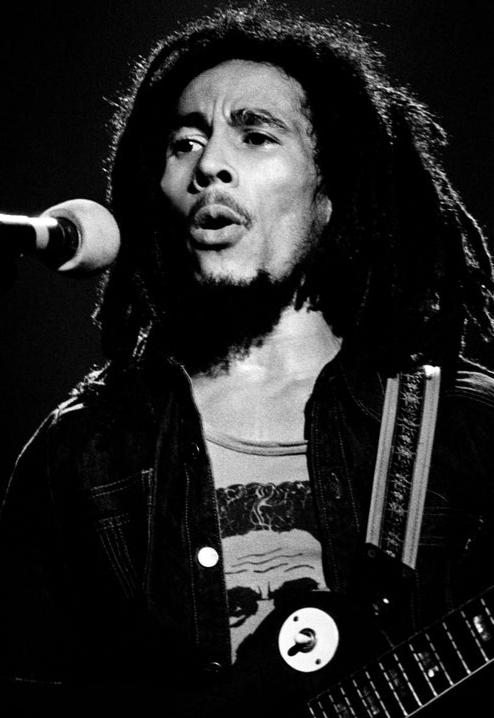
Ultimately, Mick shot over 100 album covers and published 20 books of his work. His photos continue to grace magazines and publications from all over the world. His subjects ran the gamut of rock n’ roll, country music, R&B, and Rap, then expanded to cultural icons such as Sir Tom Stoppard, Charles Aznavour and Liza Minelli, Neil Sedaka, Andy Warhol and Truman Capote.
Mick went on to star in the acclaimed ‘On the Record with Mick Rock’, for Ovation Cable, and appeared in an episode of the Red Bull Films series ‘Visions of Greatness’. A documentary about his career, produced by Vice Films and Straight Up Films, called ‘Shot! The Psycho-Spiritual Mantra of Rock’ premiered at the TriBeCa Film Festival in 2016.
Mick Rock has had major exhibitions in Tokyo, Toronto, London, Liverpool, Berlin, Manchester, Mexico City, Oslo, Rotterdam, Stockholm, Saõ Paulo, Buenos Aires, San Francisco, Barcelona, Toulouse and New York City.
He is also in the permanent collection of the Victoria & Albert Museum in London as well as New York’s Brooklyn Museum.
Mick was most recently honored with a Blue Plaque at the Scala concert hall in London commemorating the two-night headline (July 14, 1972) of Lou Reed and Iggy Pop and Mick’s capture of the Transformer and Raw Power album photos.
Mick passed away on November 18, 2021 in New York City, after a long illness. Often referred to as “The Man Who Shot the Seventies”, but more accurately, he was “The Man Who Shot Five Decades of Rock Music, Personalities and Culture”.