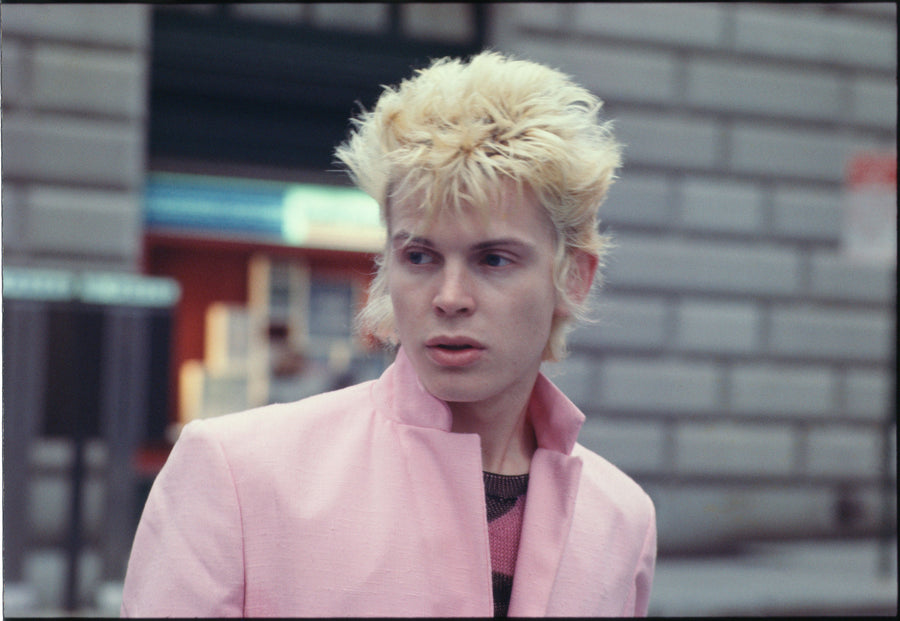
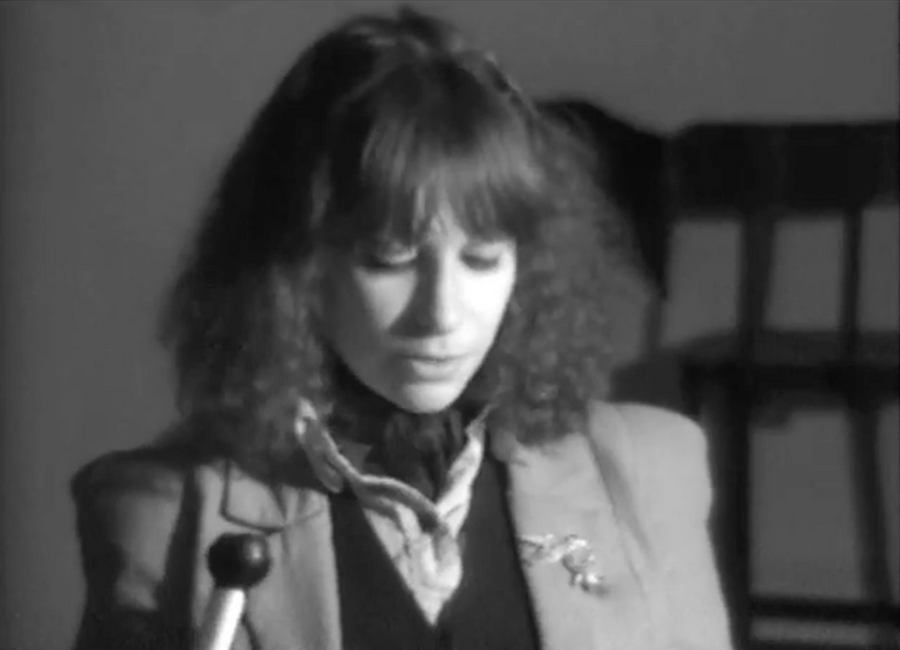
Marcia Resnick's photographs combine conceptual rigor with genuine human warmth, creating a unique record of New York's artistic and musical communities.
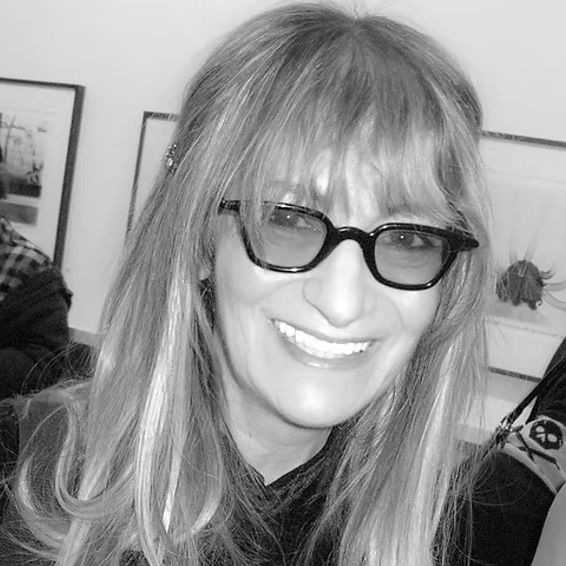
Marcia Resnick (1950–2025) was one of New York’s most original photographic voices. An artist, writer, teacher and storyteller, she moved effortlessly between conceptual art, portraiture and cultural documentation, creating a body of work that was at once deeply personal and unmistakably tied to the city she loved.
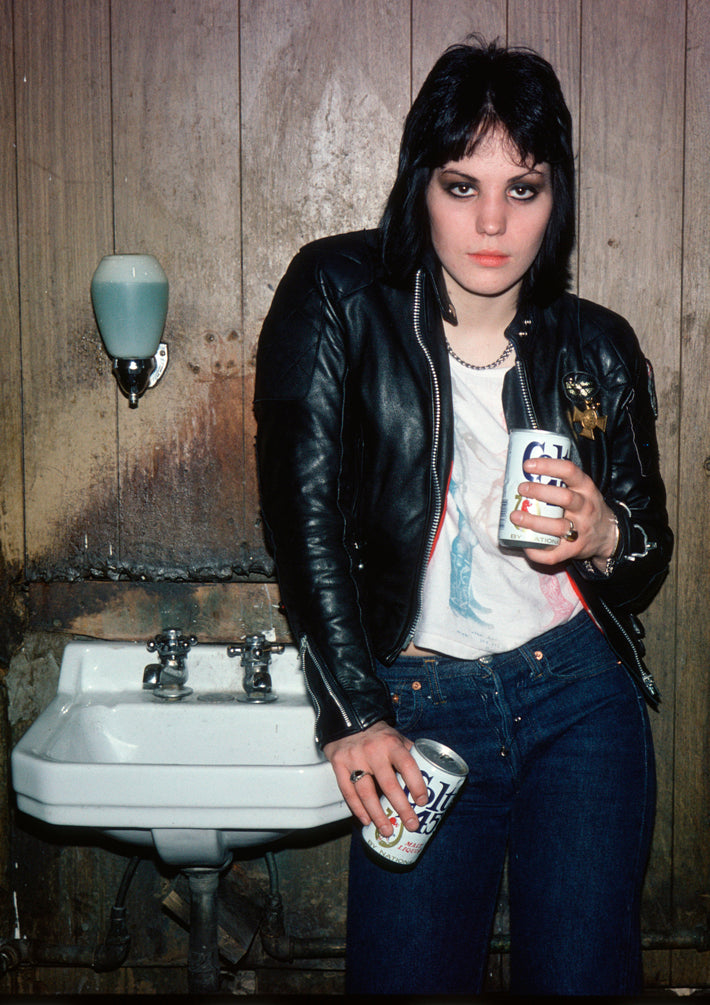
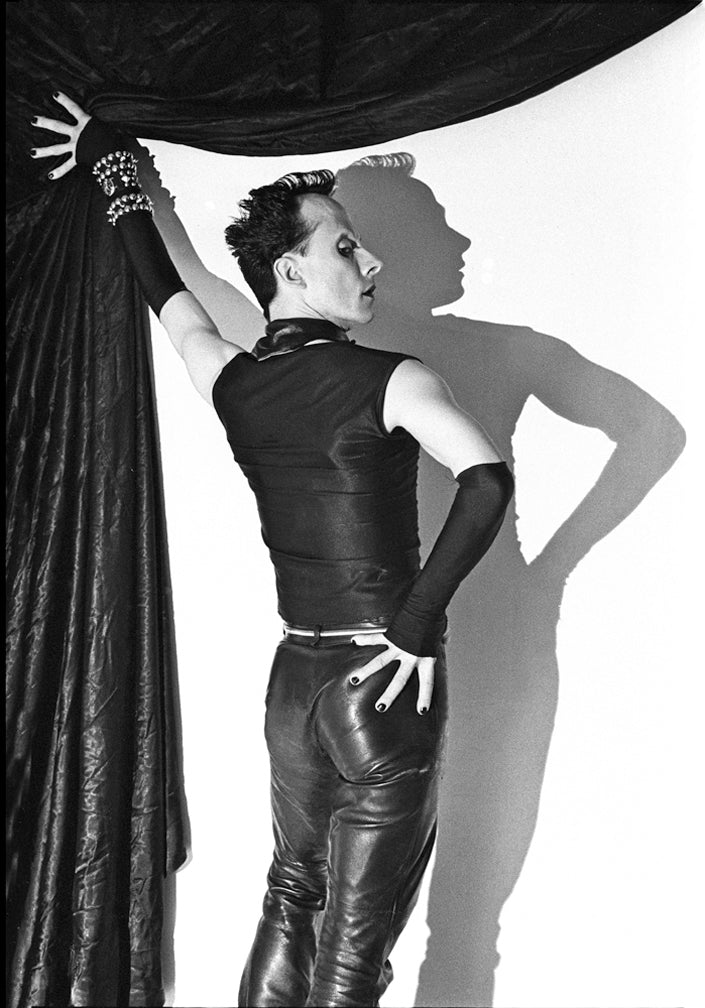
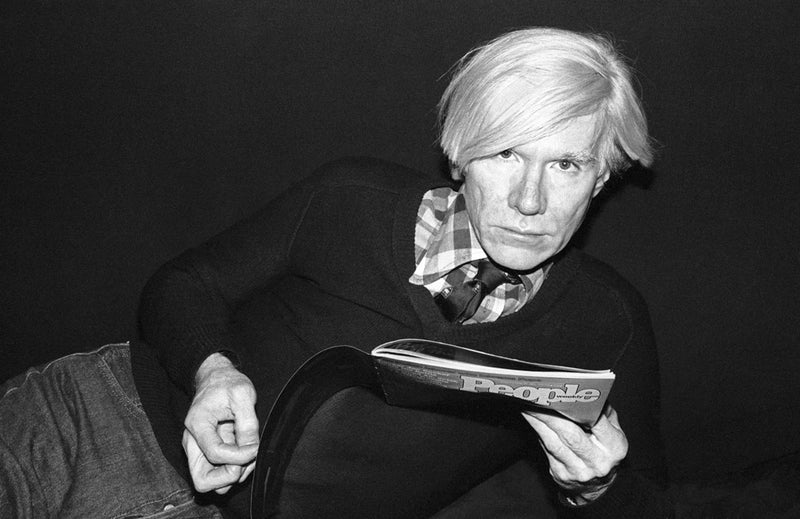
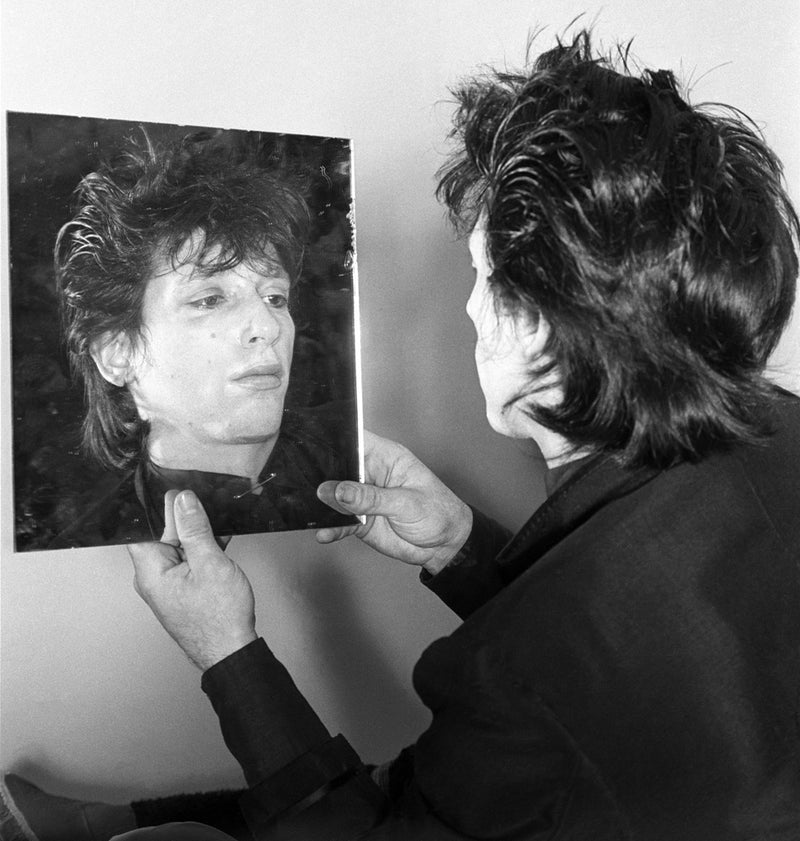
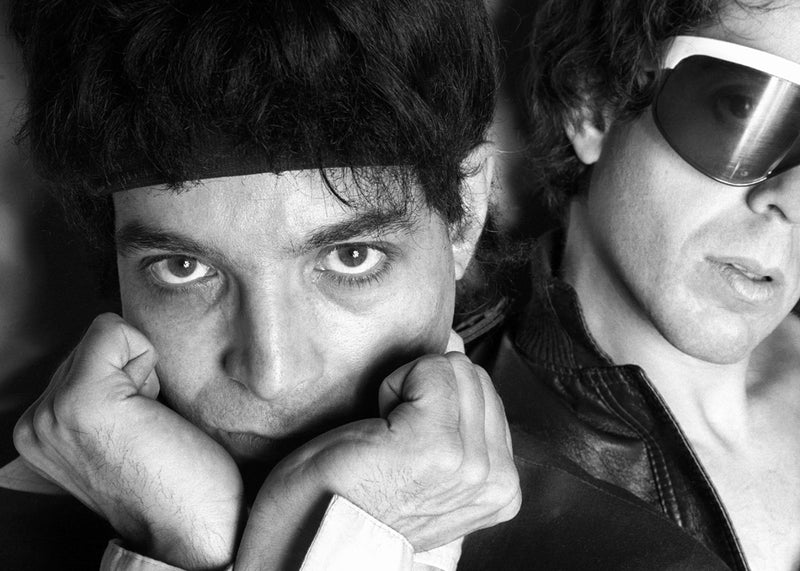
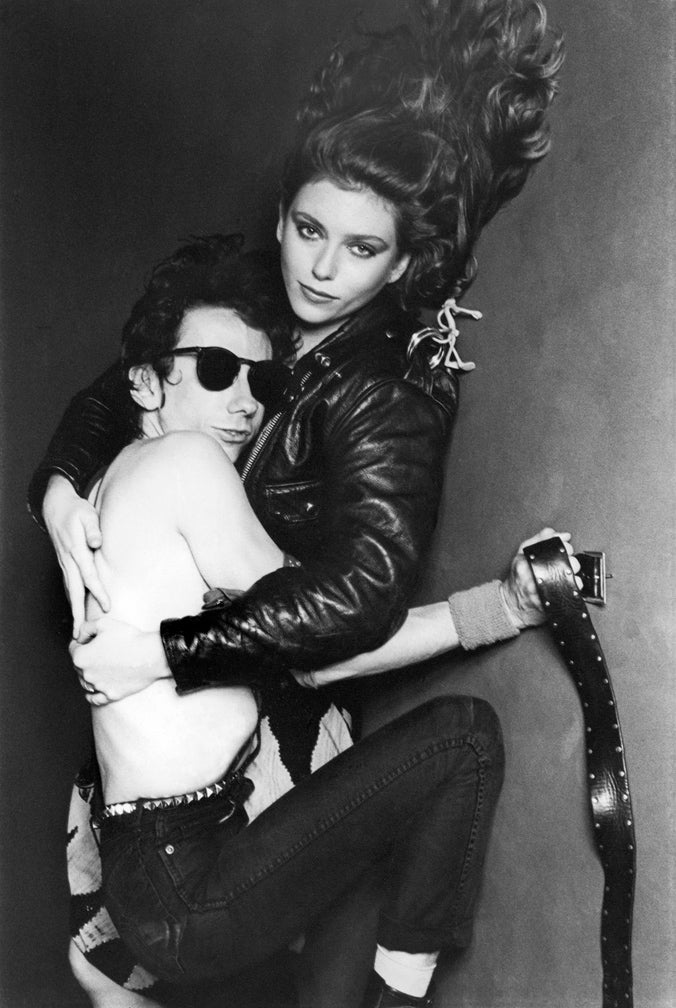
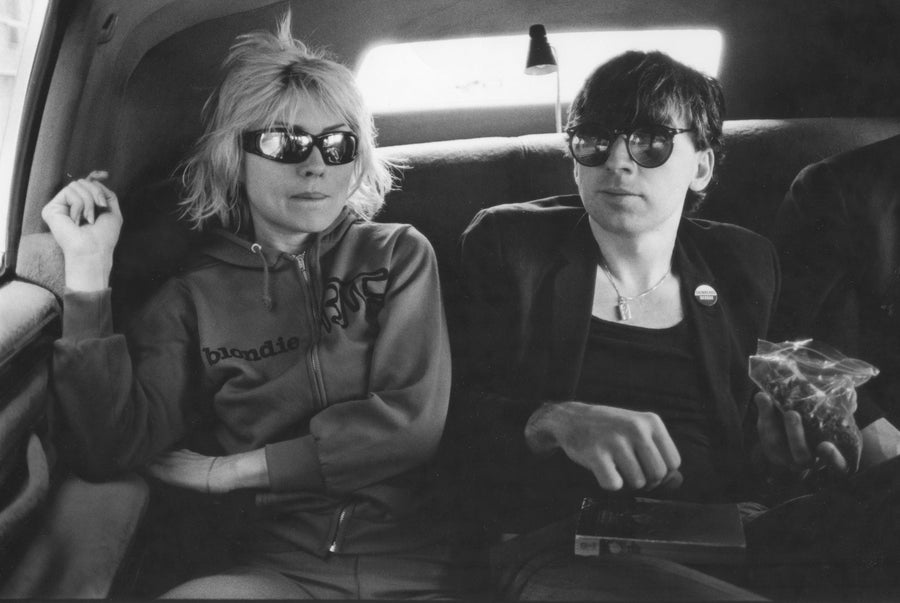
Born in Brooklyn and educated at Cooper Union and CalArts, Resnick emerged during a period of extraordinary artistic experimentation. While her early conceptual projects explored memory, identity and autobiography, she soon turned her attention toward the people around her, producing some of the most compelling portraits of New York’s creative underground. Her photographs of Johnny Thunders, Iggy Pop, John Lydon, Andy Warhol, William Burroughs and countless others were never simply records of famous figures; they were collaborations built on curiosity, trust and genuine human connection.
Throughout her life, Marcia remained fiercely independent, endlessly creative and deeply committed to photography as a form of personal expression. Her work entered the collections of institutions including the Museum of Modern Art, the Metropolitan Museum of Art, the Getty Museum, the George Eastman Museum and the Rijksmuseum, while continuing to inspire generations of artists and photographers.
In 2025, shortly before her passing, Marcia presented her final exhibition at The Music Photo Gallery in SoHo, New York. It was a celebration not only of an extraordinary artistic career, but also of the warmth, humor and generosity that made her such a beloved presence within the photographic community.
More than a chronicler of New York culture, Marcia Resnick was one of its great participants. Her photographs remain a testament to a life spent observing, questioning and embracing the remarkable people who crossed her path.